
How Drought Impacts St. Louis & Kansas City Foundations

Homes throughout St. Louis and Kansas City are feeling the effects of the Midwest drought. Dry conditions have affected much of the Great Plains, including Missouri, Kansas, Illinois, Arkansas, and Iowa, and continue to influence soil conditions as we move into late fall and winter.
What does this mean for your foundation? If the soil remains dry for extended periods, it shrinks and pulls away from the foundation, leading to problems both inside and outside your home.
This page explores how drought affects the soil supporting your foundation, winter-related considerations, and repair methods to help protect your home.
- Why Does Drought Matter for Homeowners in Kansas City & St. Louis?
- How Does Drought Cause Foundation Damage?
- What Are the Signs of Drought-Related Foundation Damage?
- How Winter Weather Worsens Drought-Related Foundation Damage
- How to Protect Your Foundation During Drought
- Foundation Repair Solutions For Kansas City & St. Louis Homes
- How Can Kansas City and St. Louis Homeowners Stay Informed About Drought Conditions?
- When to Schedule a Free Foundation Inspection
Why Does Drought Matter for Homeowners in Kansas City & St. Louis?
Drought matters because dry, expansive soils reduce foundation support, increasing the likelihood of ground movement and structural stress.
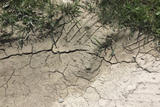
In late September 2025, Missouri Governor Mike Kehoe declared a statewide drought alert, authorizing state agencies to direct resources to impacted communities through December 1.
While these efforts largely focus on agricultural needs, such as feed-exchange programs, emergency loans, and water access for livestock, homeowners face a different set of challenges. Foundation issues caused by soil shrinkage are typically not covered through homeowner drought relief programs.
For many Midwest households, prolonged drought creates unfavorable conditions around their properties, increasing the potential for structural stress and foundation settlement. As winter approaches, understanding how soil movement affects foundation support is crucial for maintaining long-term stability and planning for repairs as needed.
How Does Drought Cause Foundation Damage?
Drought-related foundation damage occurs when soil dries and contracts beneath a structure, creating voids, uneven pressure, and settlement. When moisture returns, the soil expands, placing renewed stress on basement walls, slabs, and footings. This repeated shrink-swell cycle is a leading cause of soil movement and foundation instability in drought-affected regions, including the Great Plains.
Soils common across the Midwest, such as Mollisols and Vertisols, are susceptible to this moisture-driven expansion and contraction, making homes in St. Louis and Kansas City especially vulnerable to drought-related foundation damage.
What Are the Signs of Drought-Related Foundation Damage?
Drought-related foundation problems lead to visible changes inside and outside the home, including cracks and settlement.
Exterior Signs of Foundation Damage
Common warning signs on the exterior of a home include:
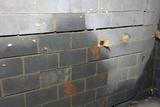
- Vertical or diagonal cracks in foundation walls
- Bowing basement walls
- Wall shearing or lateral movement near the foundation base
- Cracked or sinking driveway, porch, or garage slabs
- Cracked brick, cinderblock, or masonry joints
- Tilting or cracked chimney
- Leaning or failing retaining walls
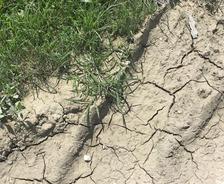
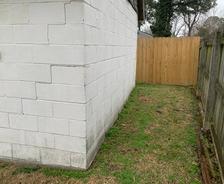
- Separation between the soil and the foundation edge
Interior Signs of Foundation Damage
Inside the home, symptoms may appear as the soil beneath the structure dries, shifts, and later re-expands during periods of rain or seasonal changes.
Common interior indicators include:
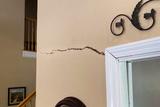
- Drywall nail pops
- Floor cracks or tile separation
- Water seepage in basements or crawl spaces
- Musty odors or elevated indoor humidity
If you’ve noticed potential warning signs, contact FRS foundation repair experts for a free, no-obligation inspection. A certified professional will evaluate conditions around your home and recommend the best next steps.
How Winter Weather Worsens Drought-Related Foundation Damage
A weak La Niña is expected to influence the 2025–2026 winter season, and current NOAA outlooks suggest the possibility of wetter-than-normal conditions in parts of the Northern and Central Plains. If precipitation increases, it may alter soil moisture levels, potentially affecting ground stability around structures. Homeowners should be aware of weather patterns that may impact their homes.
Freeze-Thaw Cycles
Freeze-thaw cycles occur when temperatures repeatedly rise above and fall below the freezing point. As soil moisture freezes, it expands, pushing upward and outward against the foundation. When the soil thaws, it contracts and settles unevenly, often intensifying movement that began previously during drought-related soil shrinkage.
Freeze-thaw cycles often contribute to:
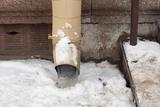
- Uneven foundation settlement
- Bowing basement walls
- Concrete cracks
- Surface spalling
- Water intrusion through cracks, seams, or gaps
Snowmelt and Hydrostatic Pressure
The sudden increase in soil moisture during snowmelt can oversaturate drought-stricken soil. Because dry, compacted soil absorbs water unevenly, hydrostatic pressure builds, pushing against foundation walls and slabs.
Snowmelt may also lead to:
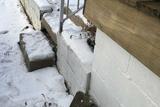
- Foundation wall cracks from lateral pressure
- Basement leaks or water seepage
- Soil erosion around the foundation
- Lateral movement or wall bowing
- Frost heave followed by settlement as the freeze-thaw cycle continues
Shrink-Swell Soil Movement
The expansive clay soils of Kansas and Missouri undergo repeated shrink-swell cycles as moisture levels change. During dry periods, the soil contracts and pulls away from the foundation. When moisture returns, the soil swells and expands again. This movement places repeated upward and lateral pressure on foundations.
Shrink-swell cycles can cause:
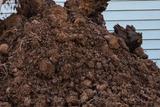
- Foundation settlement or sinking
- Cracks in walls, floors, and ceilings
- Misaligned doors and windows
- Gaps between foundation walls and the surrounding soil
- Pier or footing displacement
- Basement or crawl space wall movement
Foundation symptoms that first appeared during drought, such as wall cracks, sticking doors, or uneven floors, may become more noticeable during winter as soil movement increases. Monitoring these signs and taking a proactive approach can help reduce the impact of seasonal changes on foundation stability.
How to Protect Your Foundation During Drought
The best ways to protect a foundation during drought include maintaining stable soil moisture, improving drainage, and monitoring early warning signs. Being proactive helps reduce the impact of soil movement and protect against long-term structural stress.
1. Maintain Stable Moisture Around the Foundation
Consistent soil moisture levels help reduce extreme shrink-swell movement. During drought, controlled watering can help prevent the soil from drying out, shrinking, and pulling away from the foundation. During winter, watering is generally not necessary and should be considered only during unusually warm, dry periods when temperatures stay above freezing and soil gaps become visible.
Best practices include:
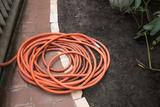
- Use light, controlled watering rather than heavy or frequent soaking.
- Water during early-morning hours to reduce evaporation.
- Use drip irrigation or soaker hoses placed a few feet from the foundation, and not directly against it.
- Add mulch around the foundation to slow moisture loss and promote consistent soil conditions.
- Water only when soil visibly pulls away from the foundation, temperatures exceed 40°F, and the ground is not frozen or saturated.
Homeowner Tip: Avoid extreme dryness and oversaturation in soil. Both conditions can increase soil movement and hydrostatic pressure.
2. Improve Drainage and Grading
Proper drainage helps prevent pooling near the foundation, which can lead to soil expansion and hydrostatic pressure.
Solutions include:
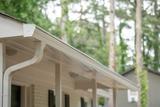
- Extend downspouts 6–10 feet away from your home’s foundation
- Ensure landscaping slopes away from the foundation
- Redirect water runoff through swales or dry creek beds
- Install perimeter drains or interior drainage systems if needed
Homeowner Tip: Incorporating native drought-tolerant plants and mulch can enhance soil stability and reduce erosion. Maintain a buffer of 6-10 feet between large plantings and the foundation, and avoid planting deep-rooted shrubs or trees too close to the home.
3. Schedule Regular Foundation Inspections
Professional inspections help identify soil-related damage and determine the best solutions during and after a drought. Early prevention saves time, money, and helps prevent extensive damage.
Contact a foundation repair expert if you notice:
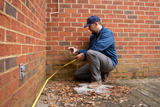
- New or widening cracks
- Sticking doors or windows
- Uneven or sloping floors
- Water intrusion in basements or crawl spaces
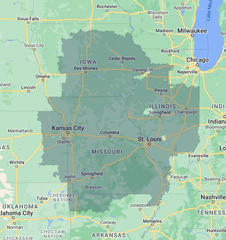
Homeowner Tip: Foundation Recovery Systems provides free foundation inspections to homeowners across Missouri, Illinois, Iowa, Northern Arkansas, and Eastern Kansas.
Foundation Repair Solutions For Kansas City & St. Louis Homes
Professional repair systems help stabilize foundations affected by drought and prevent further damage. The solutions below restore support, reinforce foundation walls, and manage moisture.
Foundation Piering Systems
Foundation piers transfer the weight of the home to deeper, more stable soil layers below. These piering systems help stabilize settling foundations and, in many cases, can lift the structure back toward its original position.
Pier options include:
Wall Reinforcement Systems
Basements and crawl spaces affected by soil pressure or freeze-thaw cycles often require re-stabilization. These systems are designed to prevent further movement and restore structural integrity.
Reinforcement methods include:

Basement Waterproofing and Drainage Solutions
Managing moisture through basement waterproofing and crawl space encapsulation methods helps prevent water seepage and damage.
Common waterproofing solutions include:

Crawl Space Support Systems
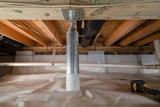
Crawl space support systems help stabilize the foundation’s structure. Adjustable steel crawl space support jacks reinforce and correct sagging floors and weakened support beams. These systems also improve long-term performance when paired with crawl space encapsulation.
How Can Kansas City and St. Louis Homeowners Stay Informed About Drought Conditions?
Kansas City and St. Louis homeowners can stay informed by monitoring official drought and soil-moisture updates from government resources that provide real-time climate data, precipitation forecasts, and statewide drought alerts. The National Integrated Drought Information System (NIDIS) National Drought Status website provides current conditions for states and territories experiencing drought.
Staying informed allows you to adjust maintenance strategies before problems worsen.
When to Schedule a Free Foundation Inspection
If you’re concerned about drought-induced foundation damage or want a professional opinion before winter sets in, FRS can help.
Our certified team understands local soil conditions and the effects of drought in the Midwest. We’ll assess your foundation, explain what’s happening, and recommend customized repair options if needed.
Contact us today for your free, no-obligation inspection.
Proudly serving St. Louis, Kansas City, Springfield, and our surrounding service area for over 30 years!
Drought Foundation Damage FAQs
Yes, prolonged drought dries and shrinks the soil beneath foundations, reducing support and causing cracks, settlement, and structural movement.
You can protect your foundation during drought by maintaining consistent soil moisture, improving drainage, monitoring signs of movement, and scheduling a professional foundation inspection.
Typically, foundation repair is not covered by standard homeowners insurance unless the damage results from a covered peril, such as a plumbing leak.

Groundworks
Related Resources
Publish Date:
Last Modified Date:
Our Locations
3349 Southgate Ct SW,
Cedar Rapids, IA 52404
(319) 220-5034
14678 E 925 North Rd, Building 5
Bloomington, IL 61705
6300 NW Beaver Dr.
Johnston, IA 50131
(515) 373-8491
7280 NW 87th Terrace, Suite C-210
Kansas City, MO 64153
(816) 774-1539
211 SE State Route 150
Lee's Summit, MO 64082
(816) 774-1539
1872 State Hwy M
Moberly, MO 65270
(660) 202-8662
3020 N. Martin Ave.
Springfield, MO 65803
(417) 612-8286
1625 Larkin Williams rd.
Fenton, MO 63026
(314) 207-9995