
Everything to Know About Crawl Space Vents
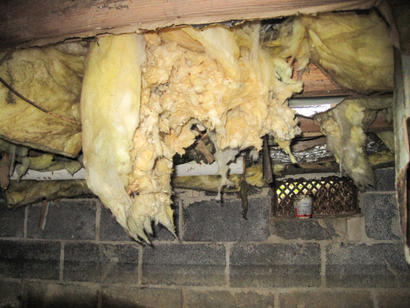
Until recently, many homes with vented crawl spaces were constructed with almost no regard to moisture sources. Moist outside air would get into the crawl space, accumulate, then condense on the wall, floor, and insulation. This would set the stage for mold growth and other problems.
Some people are still skeptical about the effects of crawl space venting on their homes. If you’re among them, read on and see how venting affects your crawl space and home. We’ll also show you how to curb moisture.
History of Crawl Space Venting
Crawl space ventilation remains a gray area for many people. From the 1930s until recently, homeowners observed certain building codes. Crawl spaces in Moberly, MO, were built using hollow masonry blocks or poured concrete, and their foundations were fitted with permanent vents that went outdoors. The HUD standard recommended four crawl space vents on every floor area with the ground uncovered. People were also encouraged to set up two vents on opposite walls.
These fixtures were designed to promote cross-ventilation to curb moisture buildup. What most people didn’t know was venting contributed to moisture buildup, which triggers severe structural damage and health hazards.
How Humid Air Get in Your Crawl Space
Air leaks in your home come from different sources. The first is the junction of the floor/ceiling with the external wall. Another source is the junction of the separating walls with the external wall.
Air also penetrates through gaps in your electrical and plumbing installations. Chimney and ventilation ducts that go through the air barrier can also let in air. Other sources are leaks around electrical sockets, windows, and doors.
Crawl space standards required ground cover to be used together with ventilation. Despite the fact that builders still use ventilation codes from the 1930s, they have some leeway on how they can control moisture.
How Crawl Space Humidity Impacts Your Home: The Stack Effect
The main reason why open crawl space vents fail is the stack effect, which is the movement of air due to thermal differences.
As warm, humid air rises in the house, it creates a vacuum in the lower levels of the home. This creates a pressure difference that allows outside air to move into the bottom floors during the winter and the cycle continues.
The stack effect is reversed during the summer when warm air enters the upper floors of the house and creates a draft downstairs.
If the crawl space is filled with allergens like mold spores, dander, dust mite waste, and musty odors, you can be sure they’ll float into your living space and compromise the quality of indoor air.
Humidity from the crawl space adds to your utility systems’ workload while the cool air cools the floorboards, making your home drafty and uncomfortable.
The Problems Caused by Open Crawl Space Vents
Builders historically installed crawl space vents to allow for air circulation and prevent mold. The problem is that the crawl space is located under the house where the earth is cool throughout the year. Typical indoor ventilation that works for the house simply doesn’t work for the crawl space.
Left unsealed, open vents introduce humid air into the crawl space, which sets the stage for numerous problems that can lower the quality of indoor air and comfort levels in your home. Some of the problems you might experience include:
1. Mold and Rot
Because of its continental climate, Missouri is generally humid. Outside air can sweep into the crawl space through the vents, bringing with it moisture. This moisture will soak into the porous construction materials used on your home, like fiberglass insulation and wood. Considering the dark nature of the crawl space, it’s only a matter of time before mold starts to grow on the wooden construction materials it houses. If not mitigated, the mold and rot could cause serious structural damage to the foundation.
2. Insulation Damage
A humid environment in the crawl space damages fiberglass in two ways: by infecting it with mold and saturating it with moisture, which can lead to sagging over time. Substances like dyes and resins within fiberglass support the growth of mold. Fiberglass often has a paper backing, which also supports mold growth. Also, when the fiberglass gets soaked up with water, it will get heavy and eventually sag and fall to the ground.
3. Rodent and Pest Infestation
Homeowners across Missouri fight their fair share of rodents and pests. Mice, ants, rodents, termites, and even spiders invade crawl spaces, depending on the time of year. Unfortunately, open crawl space vents only make the problem worse. A low-light environment filled with rot, mold, and damaged fiberglass is heaven for pests that get in through the vents. Rodents nestle in the fiberglass, breeding, dying, and visiting your kitchen for snacks. Wood-destroying pests love the damp environment as well.
4. Increased Energy Consumption
The crawl space is home to utilities, ducts, and pipes that cannot be allowed to freeze. When cold winter air enters the crawl space through the open vents, it forces the utility systems to work harder, leading to increased energy use and higher monthly bills. However, it can also freeze pipes, causing them to burst.
So, Should You Really Ventilate the Crawl Space?
Numerous studies have shown that venting the crawl space is a bad thing. Venting lets in moisture-laden outside air, which leads to higher humidity. Moisture buildup also sets the stage for condensation, mold growth, insulation damage, wood rot, and pest infestation.
A study that was done in 1985 showed a significant volume of air moved from the crawl space to the living area. Worryingly, crawl space vents nearly doubled radon gas contamination, the bulk of which ended up in the living space.
That’s not all. Indoor air will turn acrid. Heating costs will go up too. If you don’t want to endure any of these unpleasant consequences, seal the crawl space, and condition it from inside. Another useful solution is an energy-efficient dehumidifier that cleans and filters the air, controls moisture and humidity, and reduces odors and the potential for mold growth.
What to Do: Install Crawl Space Vent Covers
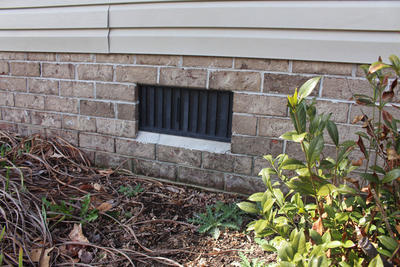
Covering your crawl space vents properly offers a range of benefits to your home as a whole. The most obvious benefit is that well-fitting, high-quality covers will help prevent dampness, mold, and pests from getting into your crawl space to wreak havoc. Properly fitted and sealed vent covers will:
- Keep out rain
- Stabilize your crawl space climate to avoid condensation and dampness
- Deter pests like mice, rats, and raccoons from entering your crawl space
As a result, you will find that your crawl space is clean, dry, and safe, especially when paired with other crawl space solutions like vapor barriers and dehumidifiers. Better still, you can rely on it staying that way unless the covers experience damage or the weather becomes incredibly severe. This will, in turn, minimize and prevent problems in your crawl space and home as a whole. In fact, it could even save you money on your energy bills by stabilizing the climate and making the temperature in your crawl space and home easier to control.
Vent Covers
FAQ's
It is wise to cover your crawl space vents. Crawl space vents are now known to allow moisture and pests into your crawl space. This can cause problems with dampness and mold, but also make it hard to control the temperature and climate in your home.
- Keep Out Dirt and Dampness
Vent covers keep water and dirt out of your crawl space by covering up the most vulnerable points of your crawl space. This has many benefits in the long term, of course, as well as in an immediate sense. Keeping dampness and dirt out of your crawl space is one of the most effective methods of preventing issues like mold and mildew formation, wood rot, and sagging floors.
This prevents many different, more serious problems from taking root in the first place. Structural issues like bowing walls or gaps between walls and flooring can start with dampness and wood rot. With this in mind, it is a good idea to invest in high-quality vent covers as a matter of course; it could save you a huge amount of money and stress in the long run.
- Ward Off Infestation
Crawl space vent covers reduce the chances of infestation by blocking off the large points of access for insects and rodents. Of course, it doesn’t make infestations impossible, but it will prevent many avoidable instances. This is positive for a number of reasons, of course. First and foremost, pests in a home are unsightly and unnerving for many homeowners. Keeping pests out will provide you with a more enjoyable living environment.
Of course, it will also be a healthier living space. After all, certain kinds of pests can cause damage to your property and health if left unaddressed. Cockroaches, for example, are incredibly unhygienic creatures whose droppings and shed husks carry huge numbers of germs. A prolonged infestation of cockroaches can lead to sickness, skin infections, and respiratory issues.
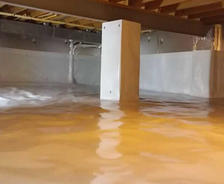
If you leave your crawl space vents uncovered, you could face a number of issues. First and foremost, heavy rain could lead to flooding in your crawl space. Even if you avoid flooding, you could face problems with dampness, mold, and pests as a result of leaving your crawl space vents uncovered. Common problems caused by uncovered crawl space vents include:
- Dampness and Humidity
By letting water into your crawl space, crawl space vents actually increase humidity, which can lead to a number of problems, including damage to your support joists. While the most obvious cause of dampness and humidity in an unsealed crawl space is heavy rainfall and flooding, the most common is actually a little more insidious than that.
Condensation occurs most often in the summer when warm, moist air hits the cool surfaces in your crawl space. This can cause a huge increase in humidity as well as allowing for the formation of mold and mildew in your crawl space. Over time, this humidity and the mold spores will travel into your house as air circulates through your HVAC system, causing more widespread issues.
- Structural Damage
Excessive and prolonged dampness can cause a lot of issues, but the most worrying is structural damage to your floors and the wooden joists that support them. Wood is extremely susceptible to dampness unless treated, and when it is exposed to prolonged periods of dampness and humidity, this can cause it to start rotting. Rotten wooden joists are a serious issue for any home.
As wood rots, it becomes soft. This means it loses its ability to support the structure of your property and can start to bend or even crumble. Likewise, your wooden floorboards could begin to sag and warp, partly as a result of their own reaction to dampness, and partly because of damage to the joists that support them. The most noticeable sign of this kind of damage is a feeling of springiness or bouncing underfoot when you tread on affected flooring.
You can buy and install crawl space vent covers by yourself, but that’s unwise. Professionals like the technicians at Foundation Recovery Systems are guaranteed to choose the right vent covers for your home, and they will make the installation process easy. Better still, they will be able to spot existing problems in your crawl space. After all, there’s no point in sealing pests or dampness into your crawl space where the problem can grow unchecked. The benefits of professional installation are:
- High Quality
Crawl space specialists have access to some of the best materials and will be able to provide crawl space vent covers that are not commonly found in hardware stores. These will fit perfectly and be incredibly durable, ensuring that you can kick back and relax without any worries about avoidable issues plaguing your property.
Letting a professional supply you with high-quality vent covers will also ensure that you save money in the long run. Durable, well-fitting PVC crawl space vent covers, for example, have a life span of roughly 20 years (or even more). This means you won’t waste money replacing cheap vent covers repeatedly as they become worn or inefficient.
- Efficiency
Installing vent covers may be straightforward, but there is a knack to getting it right. If you don’t get a cover that fits properly, or you fail to install it properly, you could see many issues within your crawl space and property at large. This is because poorly fitting vent covers will let moisture in while minimizing airflow, thereby exacerbating the issue and leading to severe humidity, mold problems, and musty smells throughout your home.
A professional, however, will be able to get the job done in no time at all with no hiccups or mishaps. This will save you money on unnecessary repairs and replacements in the future, minimize your stress, and free you up to deal with other things. So, as you can see, allowing an expert to take care of your crawl space vent covers is a small act that could have a big effect!
Choosing the Right Covers
Of course, an ill-fitting or unsuitable vent cover is practically as bad as having no cover at all. In fact, it could be worse; if your vent cover is letting in dampness as well as blocking outdoor airflow, your crawl space will become a breeding ground for mold and mildew very quickly. Here are some things to keep in mind when considering what kind of vent covers to have installed.
Materials
Vent covers come in many different forms, so it is important that you choose the right kind of material for your climate. Missouri can be very humid, and the temperature can change dramatically, which can cause damage to crawl space vent covers. Materials like plastic are best because these covers are lightweight, durable, and waterproof. Consider durable and weather-proof covers when thinking about long-term protection as these covers are by far the most cost-effective and efficient on the market right now.
Sizes
Make sure you get exactly the size of cover that you need; a good fit is essential to efficiency. If the cover is too small, you will have problems fitting it and it could easily come loose or allow moisture and pests into your home. If the cover is too big, the sealant could fail or there could be spaces between the vent and the cover that allow moisture into your crawl space.
Installation Requirements
It’s important to choose vent covers that are easy to install and remove when you need access to your crawl space. The best thing you can do is contact a professional who will be able to source and install high-quality, well-fitting crawl space vent covers easily and quickly. This may seem like an unnecessary expense when you could do it yourself but doing so could save you time and money in the future.
Benefits of Sealing the Entire Crawl Space
Sealing your vented crawl space and conditioning it is beneficial in a number of ways. Since there’s no outside air, you won’t experience condensation and mold growth. Your crawl space will become warmer and the quality of air inside your home better. Heating costs will go down too. Best of all, you’ll get a dry, clean space you can use for anything.
Interestingly, people still debate whether to seal the crawl space vents or not. Research has consistently shown us that outside venting is a conduit for crawl space moisture in humid weather. Don’t let crawl space moisture cause you sleepless nights. Get in touch with the experts at Foundation Recovery Systems for a free crawl space inspection and quote. We can help you evaluate the interior and exterior components of your home and take remedial measures to combat unwanted moisture.
While your property’s crawl space is never going to be the most inviting part of your home, it is important that you keep it as clean, dry, and tidy as possible to avoid problems developing without being detected.
Covering your crawl space vents is just one way in which you can do this, and it’s so easy. In fact, there’s really no reason to avoid installing properly fitting crawl space vent covers, especially if you want to avoid dampness problems.
How to Seal Your Crawl Space
Combining ground covers and air change has always been the accepted method of regulating crawl space conditions.
Some local contractors use a light sheet of expanded polystyrene together with an increased air exchange rate in summer. An alternative solution is covering the ground with polystyrene and reducing the air exchange rate to 0.5 ach. This solution results in lower RH values and mold growth.
Building experts generally recommend these tips to eliminate moisture problems:
- Seal all the ductwork and create proper return pathways for air.
- Set the AC thermostat above the dew point.
- Resolve long-standing negative pressures associated with ventilation equipment or air handler fans.
- Fast-track moisture removal by correctly sizing and maintaining the equipment.
- Remove ground surface water and apply an ample moisture and vapor barrier.
- Remove the improperly placed barriers and position them correctly.
Experts no longer advise their clients to use passive venting or temperature-controlled venting. If an inspection reveals a perennial moisture problem, the right thing to do is seal the crawl space with vent covers and a vapor barrier and condition it. But that’s not enough. You’ll need to dry out this area and add some heat.
Why Foundation Recovery Systems Should be Your First Choice
Foundation Recovery Systems has been helping Missouri homeowners waterproof their basements and crawl spaces since 1992. We know a thing or two about getting the best results, and we know how to spot an issue before it becomes a real problem. If you have any pre-existing problems, such as mold or dampness, our technicians will spot and fix them.
Our CrawlSeal™ crawl space vent covers are high-quality, durable, and easy to remove and replace after installation. Most importantly, however, they attach mechanically to provide an airtight seal around each vent. This means they help weatherproof and waterproof your crawl space by keeping rain, dirt, and wildlife exactly where they belong—in the yard.
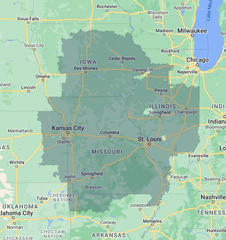
There’s no point in sealing off your crawl space if we are simply sealing in existing problems. Foundation Recovery Systems offers free inspection appointments to all homeowners to ensure that we know exactly what you need. This means that we will check for existing dampness, mold, or pest problems and suggest fixes before we install your vent covers. While this might seem like it’s making the job bigger than you expected, it could save you money in the long run by avoiding escalation. Our experts service homes in St. Louis, Kansas City, Moberly, Des Moines and Springfield.
Related Resources
Publish Date:
Last Modified Date:
Our Locations
3349 Southgate Ct SW,
Cedar Rapids, IA 52404
(319) 220-5034
14678 E 925 North Rd, Building 5
Bloomington, IL 61705
6300 NW Beaver Dr.
Johnston, IA 50131
(515) 373-8491
7280 NW 87th Terrace, Suite C-210
Kansas City, MO 64153
(816) 774-1539
211 SE State Route 150
Lee's Summit, MO 64082
(816) 774-1539
1872 State Hwy M
Moberly, MO 65270
(660) 202-8662
3020 N. Martin Ave.
Springfield, MO 65803
(417) 612-8286
1625 Larkin Williams rd.
Fenton, MO 63026
(314) 207-9995