
How Crawl Space Mold Damages Your Health: Risks & Prevention Tips
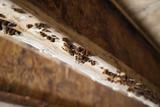
You may not have given much thought to what goes on in your crawl space. After all, it’s an area you rarely visit or explore during inspections.
Don’t overlook this space. Your crawl space is susceptible to mold because it’s exposed and has the perfect conditions for mold growth. When your home has crawl space mold, it can lead to health problems and structural issues.
Let’s look at types of mold, health issues associated with mold growth, and what you can do to prevent mold from taking over your crawl space. By the end of this article, you’ll understand why it’s crucial for professionals like Foundation Recovery Systems to install crawl space encapsulation and dehumidification measures.
3 Types of Mold Grow In Crawl Spaces
As long as your crawl space remains open, it’s going to attract various kinds of molds, including:
1. Black Mold
Black mold should be your biggest worry as it’s dangerous. Not only does it release mycotoxins, but it also eats and weakens wooden structures. Exposure to black mold also causes respiratory problems and worsens existing conditions such as asthma. Because of this, you could be in and out of the hospital for medication or treatment.
2. White Mold
White mold is another type of mold that can invade the crawl space and cause problems. Though not as destructive, it can still trigger occasional allergies. Fungal growth and mushrooms are the clearest indication white mold is already in the crawl space.
3. Yellow Mold
The other type of mold you should worry about is yellow mold. It’s not so much of a problem health-wise as it is structure-wise. When this mold takes over the crawl space, it can lead to rapid decay and destruction of wooden beams and joists. So pay attention to it as well during your routine checks.
Most Common Signs of Crawl Space Mold
A number of signs should alert you to the possibility of crawl space mold. Watch out for:
- Odd smells or musty odors originating from the crawl space
- Water stains and dark, green, or pink spots on baseboards
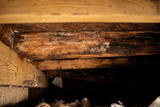
- Discoloration of wood
- Clusters or patches of powdery or fluffy substances on posts, girders and floor joists
- Allergic reactions that cannot be explained
What Are the Health Risks of Mold Exposure?
Mold exposure affects people differently. Some might not experience health problems, while others may develop allergies and breathing problems.
Mild reactions to mold exposure include:
- Skin irritation/rash
- Coughing
- Wheezing
- Watery/red eyes
- Runny nose
- Itchy eyes
Individuals with weakened immune systems or chronic lung disease may also get serious lung infections.
Extreme reactions to mold exposure include:
- Worsening of existing health problems like asthma
- Difficulty breathing
- Fever
- Nausea
How to Prevent Crawl Space Mold
One major mistake people make is to address the symptoms, such as rotted wood, musty smells, and powdery fungus, instead of resolving the underlying problems.
That’s not helpful, as mold will continue growing as long as conditions that make it thrive persist. To prevent mold growth, consider doing the following:
- Fix Leaking Pipes: Such pipes introduce moisture into the crawl space, creating conditions that make mold thrive.
- Repair Wall Cracks: Gaps and openings like wall cracks open up the crawl space to moisture, which encourages mold to grow.
- Seal Crawl Space Vents: In the past, people thought venting would help aerate their homes, but it’s been proven it’s not beneficial. The sooner you seal it, the better.
- Replace Ineffective Insulation: Remove any damaged, torn, or sagging insulation because it will absorb moisture and perpetuate your mold problem.
- Fully Encapsulate the Crawl Space: Installing a crawl space vapor barrier below your home will protect it from rot, humidity, and water damage.
- Install Drainage and Sump Pumps: Where flooding is a problem, it’s crucial to protect your crawl space with interior drains and a sump pump to collect and drain any water that enters the crawl space. Otherwise, it will encourage mold to grow.
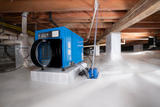
- Dehumidification: Internal moisture is a major contributor to mold growth. Installing an energy-efficient dehumidifier in this space will help bring down moisture to acceptable levels.
- Replace Rotted Wood: Decaying floor joists and wooden structures such as beams feed the mold in the crawl space.
- Use Mold-Resistant Building Materials: You can stop potential mold growth by using materials that discourage mold growth.
- Ensure Proper Landscaping: Grade the area surrounding your home so water flows away from your foundation and crawl space.
Foundation Recovery Systems Can Help Prevent Mold
If the conditions don’t change in your crawl space, mold will re-grow in 24-48 hours. You have to act fast to stop it from re-infesting your crawl space.
Given that mold poses health risks to you and your loved ones and continues to devalue your home, the best thing you can do is to deal with it promptly. Schedule a free inspection with a Foundation Recovery Systems crawl space expert and receive a no-obligation repair quote. We’re happy to recommend lasting solutions to deal with underlying issues that cause mold growth in your home.
FAQs
Although common, musty smells from your crawl space are neither normal nor healthy. They signal crawl space issues like mold and moisture, necessitating immediate action. Rely on Foundation Recovery Systems to rid your home of musty crawl space smells by tackling the source. Reach out for more details and to arrange a free crawl space inspection.
Often mistaken for mold, wood rot mainly affects crawl space joists and beams, leading to floor sagging. Unlike certain molds, wood rot is not usually toxic, but both can aggravate health conditions like asthma and allergies. Foundation Recovery Systems will identify the specific issue in your crawl space and provide the right solution during our free inspection.
DIY approaches like bleach cleaning may seem tempting, but they don’t address the full scope of mold or its root causes. Entering your crawl space for DIY mold treatment can be hazardous, so expert intervention is recommended. For crawl space moisture issues, consult Foundation Recovery Systems or a free inspection.

Leah Leitow
Publish Date:
Last Modified Date:
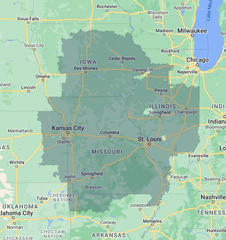
Our Locations
3349 Southgate Ct SW,
Cedar Rapids, IA 52404
(319) 220-5034
14678 E 925 North Rd, Building 5
Bloomington, IL 61705
6300 NW Beaver Dr.
Johnston, IA 50131
(515) 373-8491
7280 NW 87th Terrace, Suite C-210
Kansas City, MO 64153
(816) 774-1539
211 SE State Route 150
Lee's Summit, MO 64082
(816) 774-1539
1872 State Hwy M
Moberly, MO 65270
(660) 202-8662
3020 N. Martin Ave.
Springfield, MO 65803
(417) 612-8286
1625 Larkin Williams rd.
Fenton, MO 63026
(314) 207-9995