
April Showers Bring Basement Flooding… Is Your Home Prepared?
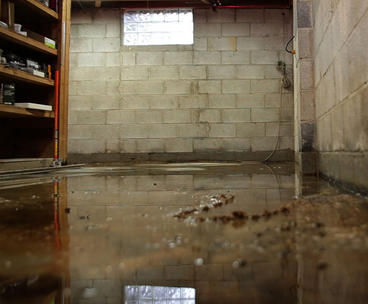
The spring thaw brings warmer temperatures across Missouri, Iowa, and Illinois, but it also signals one of the most vulnerable times of year for basement flooding. In early April 2025, a slow-moving storm system unleashed tornadoes and torrential rainfall across the Midwest and Mid-South, causing historic, life-threatening flooding and billions of dollars in damage. As spring nears, it’s critical to be prepared for the worst.
Heavy rains, saturated soil, and severe weather patterns can quickly overwhelm homes that aren’t properly protected. In this article, we’ll explore how homeowners can prepare for another rainy spring season through proactive measures, like basement waterproofing.
Why Spring Brings Increased Basement Flooding Risk
Spring storms in the central U.S. are uniquely intense. Warm, moisture-rich air from the Gulf collides with lingering cold air, producing severe thunderstorms, heavy rainfall, and tornadoes. When these systems stall, like they did last year, they often dump inches of rain over the same area for days.
This leads to several conditions that increase the likelihood of basement flooding:
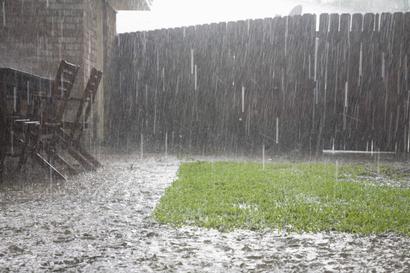
- Oversaturated soil that can’t absorb additional water
- Rising groundwater levels pressing against foundation walls
- Poor drainage around homes causing water to pool near foundations
- Flash flooding and river overflow in low-lying areas
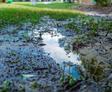
Even homes that have never experienced water issues before can suddenly face a flooded basement during heavy spring showers.
What Happens When a Basement Floods?
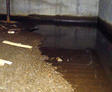
When waterproofing systems are absent or failing, the consequences of basement flooding can be severe and expensive.
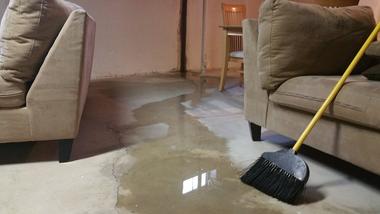
Structural Damage
Water pressure against foundations can lead to basement wall cracks and bowing, or long-term structural instability. What starts as a small issue often escalates into major basement leak repair needs. Additionally, common building materials like wood and metal can rot or corrode when exposed to moisture.
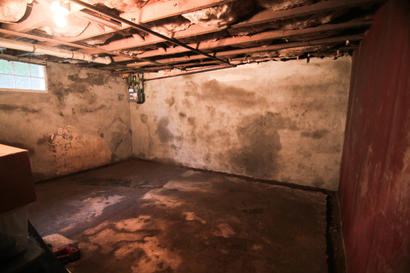
Mold and Mildew Growth
Moisture buildup creates the perfect environment for basement basement mold growth. Within 24–48 hours, mold can begin to spread, impacting indoor air quality and health. And since the air in your basement rises to the rest of the home, these dangerous spores can infiltrate your whole living space.
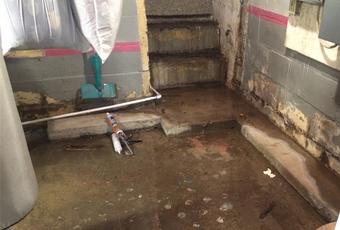
Damage to Belongings
Stored furniture, appliances, and personal items are often the first casualties of a flooded basement. In many cases, items are beyond saving. Without flood insurance, some homeowners spend thousands just replacing these items.
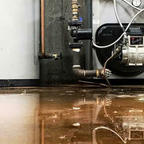
Electrical and HVAC Risks
Water intrusion can damage furnaces, water heaters, and electrical systems, leading to costly repairs and potential safety hazards. A flooded basement with live electricity running through it poses a serious risk of electrocution or injury.
How to Prevent Basement Flooding in Spring
The good news is that effective waterproofing systems can dramatically reduce your risk. Here are the most important defenses every homeowner in Missouri and surrounding states should consider.
Seal Cracks Early
Small cracks in your foundation may not seem like a big deal, but during spring storms, they can quickly become major entry points for water. If you’ve noticed cracks in your basement walls or floor, damaged pipes, or loose gaps around your basement windows, it’s best to address them before the rainy season starts. Professional basement leak repair ensures these vulnerabilities are sealed before heavy rains arrive.
Install a Sump Pump System
During heavy rains, groundwater levels rise quickly. Without a way to remove it, that water has nowhere to go except into your basement. A sump pump is your first line of defense against basement flooding. It collects water from beneath your home and pumps it safely away from the foundation. A properly functioning sump pump can mean the difference between a dry basement and a costly cleanup.
Add Interior Drainage Systems
In regions prone to heavy spring rainfall, interior drainage is one of the most effective long-term solutions. Perimeter drains are designed to capture water before it enters your living space. These systems are installed along the perimeter of your basement floor, collecting water that seeps inside and directing it to the sump pump for rapid removal.
Install a Vapor Barrier
While sump pumps and drainage systems handle bulk water, vapor barriers address moisture at the source. These thin, lightweight vinyl or plastic membranes prevent moisture from seeping through walls and floors. By locking out moisture before it enters, they can reduce basement humidity levels and prevent mold and mildew growth. This added layer of protection is especially important in humid spring conditions across Missouri and neighboring states.
Protect Your Home Before the Next Spring Storm
The severe storms and flooding of April 2025 proved just how vulnerable homes in Missouri, Kansas, Illinois, Arkansas, and Iowa can be during spring. Flooded basement cleanup isn’t just messy and expensive; without proper preparation, you risk losing furniture, belongings, and other priceless items.
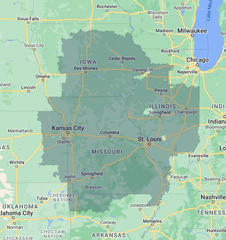
Don’t wait for the next major storm system to test your home’s defenses. Foundation Recovery Systems offers comprehensive basement waterproofing and foundation repair services in St. Louis, Kansas City, Des Moines, Springfield, and beyond. Contact us today for a free inspection and take steps now to keep your basement dry, your foundation strong, and your family safe.
Basement Flooding FAQs
As mentioned, there are other forces that can work against the overall structural integrity of your home. These can include the clay bowl effect, leaking basement windows, the stack effect, tree roots, and pests.
Dampness may be hard to get around, but full-scale basement flooding is much easier to prevent. Regular maintenance of your drainage and waterproofing systems is the best thing you can do for your home. Keep on top of these three areas for the best results.
- Sump Pump Maintenance
Your sump pump is one of the most important appliances in your home when it comes to preventing flooding and managing water levels. It is both your first and last line of defense when it comes to water in your home. As such, you must take good care of it. Sump pump failure is the most likely to cause a large flood.
Scheduling regular maintenance appointments for your sump pump is one way to protect your home from flooding. When you have your pump regularly maintained, you will be notified of potential issues and the end of your sump pump’s lifespan as it approaches. This will help you to prevent avoidable breakdowns and floods.
- Gutters and Drains
Your home is likely to have a huge number of internal and external drainage systems that are incredibly important to its health and wellbeing. Keeping these systems clear, healthy, and functioning is one of the best things that you can do for your home. Keep your gutters and drains clean and free from debris to prevent avoidable flooding.
Clearing your exterior gutters once a year and scheduling maintenance checks for interior or subterranean gutters and drainage systems is easy enough, but the benefits are truly huge. You can also invest in good downspouts if yours are a little outdated; this will help you to effectively direct water away from your home.
There are many reasons your basement could be flooded regularly. The most obvious, of course, is an external source of water or internal plumbing leaks. However, there are other possible causes. These include:
- Leaking Window Wells
If you have basement windows, water building up in the window wells can cause leaks or even a full-scale flood if the weather is extreme and you are unlucky. This can be caused by old, generally worn windows that are at the end of their life, or by damage to the window pane itself. However, the most common causes are damage to the sealant and the sill.
The sealant around your windows is vulnerable to changes in temperature and is exposed to the elements. As such, it is often the first thing to wear away. When this happens, water will quickly begin to leak into your basement. If you have older windows with wooden sills, they can also be a cause of leaks; if the wood starts to rot, water will get through in surprising amounts.
- Cracks in Your Walls or Floor
Your basement is one of the areas in your home that is most vulnerable to cracking. This is because of the immense amount of pressure that it faces. Cracks in your basement and floor as a result of foundation damage or hydrostatic pressure can let in surprising amounts of water, especially if the ground is saturated after a severe storm.
Dehydration, too, can be an issue for your basement. If the soil under your home shrinks as a result of dehydration, your foundation may not have enough support. This can lead to cracking and settlement. When the soil becomes saturated again, however, these cracks will let water into your basement directly. They will act almost like channels for the water.
- Blocked Drainage Systems
Your home’s drainage systems are incredibly important to its health. From your roof gutters to your sump pump, they are all part of a larger system that works to prevent water from building up around your home. Blocked drainage systems or a broken sump pump can cause serious flooding in your basement. As such, it is important to stay on top of maintenance.
If one part of your drainage system becomes blocked, it will affect the rest of your systems until water starts to pool around your foundation. The most common problems this can cause are bowing walls and settlement, but flooding is often a co-occurring issue. Of course, if a big storm rolls in, even the most well-protected basements can see flooding.
Related Resources

Groundworks
Publish Date:
Last Modified Date:
Our Locations
3349 Southgate Ct SW,
Cedar Rapids, IA 52404
(319) 220-5034
14678 E 925 North Rd, Building 5
Bloomington, IL 61705
6300 NW Beaver Dr.
Johnston, IA 50131
(515) 373-8491
7280 NW 87th Terrace, Suite C-210
Kansas City, MO 64153
(816) 774-1539
211 SE State Route 150
Lee's Summit, MO 64082
(816) 774-1539
1872 State Hwy M
Moberly, MO 65270
(660) 202-8662
3020 N. Martin Ave.
Springfield, MO 65803
(417) 612-8286
1625 Larkin Williams rd.
Fenton, MO 63026
(314) 207-9995