
4 Steps to Dry Out Your Flooded Crawl Space (with Preventative Solutions!)
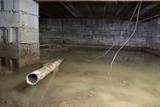
Your crawl space can flood for a number of reasons including heavy rains, sewage backup, a broken water heater, or damaged pipes. No matter the cause, crawl space flooding is a serious issue that needs to be fixed right away. On this page, we’ll go over the steps you should take after your crawl space floods.
If nothing else, remember this: crawl space flooding causes mold growth, which eats away at your home and may cause health issues down the line. For that reason alone, it’s always a good idea to work with professionals to ensure your crawl space is properly restored and protected.
Step 1: Remove the Water
Most importantly, start by removing any water in your crawl space. Standing water below your home can lead to all kinds of damage including wood rot and sagging floors. We recommend working with a professional crawl space company to ensure that water is removed properly. Crawl spaces, especially when flooded, are hard to navigate without the proper tools or training. DIY projects are difficult to complete and may even cause other issues.
Step 2: Dry Out the Crawl Space
Once all the water is gone, the next step is to dry out the crawl space. Unfortunately, the crawl space can’t just air dry on its own. Wooden beams, concrete walls, and structural supports in the crawl space will still be damp.
You need something more powerful to dry out the crawl space with, like high powered fans or a dehumidifier. These tools will remove moisture from the air and reduce the risk of mold growth. Professionals can also help you with this step of the process to make life easier.
Step 3: Determine What Caused the Flooding
After your crawl space is finally clean, it is important to find out what caused the flood in the first place. With this knowledge, you will know how to prevent this problem from happening again in the future. Here are some of the most common causes of flooded crawl spaces.
- Inadequate drainage: If your crawl space becomes flooded every time it rains, you might be dealing with a drainage problem. Check your gutters and downspouts for damage and see if your yard grading needs to be updated.
- Faulty sump pump: Have you invested in a sump pump? If your crawl space becomes floods often, your sump pump is likely malfunctioning and needs to be fixed.
- Broken pipes: Plumbing issues can also cause standing water in the crawl space. The older your pipes are, the bigger the chances that your crawl space will end up flooded.
- Sewage backup: Clogged sewage lines can lead to a flooded crawl space and turn it into a health hazard.
Foundation Recovery Systems provides free, no-obligation crawl space inspections. If you want to understand what may have caused your crawl space to flood (or want to prevent it from happening in the first place) consider contacting us today!
Step 4: Install Preventative Solutions
Flooded crawl space can lead to rot, mold growth, and other issues every homeowner should aim to avoid. By installing different crawl space solutions, you can ensure that flooding (and other forms of moisture) won’t cause issues in your crawl space again.
Top Solutions to Prevent Crawl Space Flooding
1. Drainage System
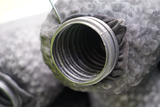
Standing water in your crawl space needs somewhere to go. Installing crawl space drainage helps to capture and remove water quickly. The best crawl space drainage systems have openings that face the dirt and fabric filters that keep debris out. When installed alongside other waterproofing measures (such as sump pumps and vapor barriers) crawl space drains help keep the crawl space dry and clean.
2. Vent Covers
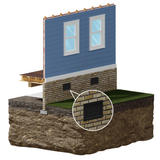
Back in the ‘50s, it was thought that crawl space vents offered good protection against moisture since they kept crawl spaces ventilated. Over time, it was found that the opposite was true and that unsealed vents were letting moist air into the crawl space. Covering your vents with vent covers mostly keeps out humid air, but they can also keep out rain, providing added protection against flooding.
3. Sump Pump
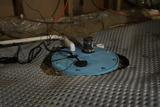
If you live in an area prone to flooding problems, you will need a crawl space sump pump. If groundwater reaches a certain level after heavy rain or snowmelt, it activates the pump which begins draining water out of the crawl space. Usually, installing a sump pump at the lowest point of a crawl space provides maximum protection.
4. Drainage Matting
Another waterproofing measure is drainage matting, which is placed directly onto the crawl space floor. While this might sound like flooding water will become trapped by the matting, the raised dimples found on high-quality matting actually controls the flow of flooding water. Water won’t overflow into your crawl space but will still have enough space to move toward a crawl space drain.
5. Vapor Barrier
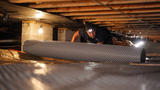
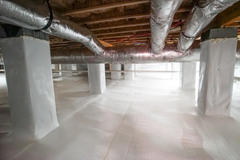
With a crawl space vapor barrier, you can keep out both humid air and liquid water. Most professionals attach a thick, white plastic vapor barrier to the crawl space floor, walls, and support beams so that moisture cannot get in through any gaps. Besides adding another layer of defense against flooding, vapor barriers also give your crawl space a facelift—helping it stay cleaner and brighter overall.
6. Dehumidifier
This device is mostly useful for after a flood, as it will keep the moisture levels in your crawl space under control. It will eliminate allergy triggers such as mold and dust mites and make the crawl space air quality healthier. Overall, dehumidifiers reduce energy consumption and keep the crawl space dry.

Schedule a Crawl Space Inspection With Foundation Recovery Systems
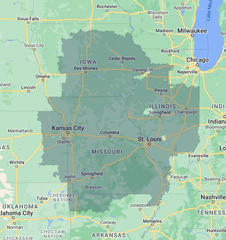
If your crawl space regularly floods and you need help keeping it dry, consider working with our team. For over 30 years, Foundation Recovery Systems has been helping homeowners in Missouri, Kansas, Iowa, and Illinois resolve their crawl space problems.
With industry leading solutions and an expert team, we always promise exceptional service. Contact us today to schedule a free inspection and take the first step toward a drier, more secure crawl space!
FAQs
Sump pump systems designed for crawl spaces come in multiple configurations to meet diverse waterproofing needs. Foundation Recovery Systems installs durable submersible sump pumps with varying pumping capacities to handle different flow requirements. We also offer battery backup units that ensure continued operation during power interruptions. Learn which system is best for your home during a free inspection from one of our experts.
While it might be tempting to tackle crawl space issues yourself, we advise against it due to potential risks and the temporary nature of DIY solutions. Professional services offer durable and safe solutions. Reach out to us for a free inspection and no-obligation estimate.
Annual maintenance is recommended for optimal performance. Join our yearly maintenance program when you waterproof and encapsulate your crawl space with Foundation Recovery Systems. Contact us for more information and to schedule a free crawl space inspection.

Leah Leitow
Publish Date:
Last Modified Date:
Our Locations
3349 Southgate Ct SW,
Cedar Rapids, IA 52404
(319) 220-5034
14678 E 925 North Rd, Building 5
Bloomington, IL 61705
6300 NW Beaver Dr.
Johnston, IA 50131
(515) 373-8491
7280 NW 87th Terrace, Suite C-210
Kansas City, MO 64153
(816) 774-1539
211 SE State Route 150
Lee's Summit, MO 64082
(816) 774-1539
1872 State Hwy M
Moberly, MO 65270
(660) 202-8662
3020 N. Martin Ave.
Springfield, MO 65803
(417) 612-8286
1625 Larkin Williams rd.
Fenton, MO 63026
(314) 207-9995