
Is Damp Soil Under My House A Cause for Concern?
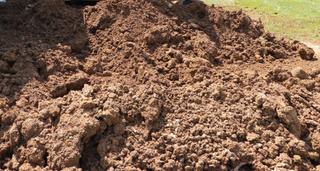
If the yard of your Moberly, MO, home stays wet for several days after a rainstorm, chances are your property is built on damp clay-rich soil. This type of soil presents unique challenges in wet and dry conditions.
These soils expand in rainy conditions and dry out and shrink in summer. This shrink-swell cycle associated with clay has a damaging effect on foundations.
What Is Damp Clay-Rich Soil?
When there are prolonged periods of rainfall, the clay-rich soil absorbs substantial amounts of water, therefore making it damp and susceptible to movement. Such damp soil usually feels sticky and rolls like plasticine.
How Clay Foundation Soil Affects Your House
Clay-rich soil has the greatest potential to damage a house. It absorbs water quickly, expanding in volume until it is saturated.
In some cases, expansive clay soils may exert uplifting pressure as high as 5,500 pounds per square foot (PSF) on the foundation. This kind of uplift can easily crack or damage your foundation. It can also cause your floors to slope and door and window frames to go out of alignment. Additionally, when clay soil becomes overly wet, it loses its ability to carry the weight of the foundation, causing it to settle into the ground.
Come summer, these soils lose water and shrink in size, leaving gaps at the base of your home. The gaps that occur can’t support your home, and this causes the foundation to settle into the ground. If various parts of your house settle at different rates, differential settlement will occur. This can lead to wall cracks, uneven floors, sticking windows and doors, and interior cracks.
The Clay Bowl Effect
It’s a natural consequence of ground excavation and the backfilling process when building a foundation. This phenomenon occurs when the foundation holes are backfilled with fluffy or loose soil, which is typically more porous and absorbent than the hard-packed, undisturbed soils nearby.
Whenever it rains, the ground closest to the foundation can get easily saturated with water. The soil surrounding your house may start to settle, creating a sunken or bowl-like landscape, also known as the clay bowl effect. This phenomenon alters the original grade of your yard, causing it to slope toward the property.
How to Stabilize Foundation on Clay Soil
Left untreated, damp clay has a powerful destabilizing effect on structures. It can do immense damage to your home’s foundation, walls, and even the roof. You can minimize the effects of wet clay soil on your home by doing the following:
Install a Proper Drainage System
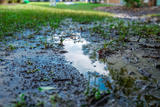
If your house is built on clay soil, you must make sure the drainage conditions around your home are maintained. This way, the surface runoff will flow away and not pool around your home. This includes installing and maintaining gutters and downspouts and properly grading your yard to drain water away from your foundation.
Maintain Ground Moisture
Seasonal changes often bring about wet and dry periods where the soil may get damp for a few months and then dry afterward. The result is that the foundation will heave up during the wet season and settle in the dry months. Both cycles can damage your concrete slab, which naturally is not flexible.
Maintaining constant ground moisture using a sprinkler system ensures the soil doesn’t dry out and shrink. This will prevent foundation cracks and other issues that might lower the structural integrity of your foundation.
Maintain Your Gutters
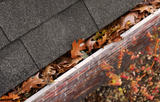
Your gutters should always be clean and functional so rainwater or melt-off can move unobstructed down the spouts to the designated discharge point. Regular cleaning keeps your gutters free of leaf matter and debris. As you maintain the gutters, keep in mind your downspout extensions, which should be at least four feet from your home’s foundation.
Protect Your Home from Damp Soil Damage
in Moberly, MO
Expansive clay soil can cause long-term damage. In Moberly, MO, homeowners may notice uneven floors, sticking doors, or water intrusion. Left unchecked, these issues lead to costly repairs and compromise your home’s safety and value.
If you suspect soil issues are affecting your foundation, don’t wait. Contact Foundation Recovery Systems for a free inspection and quote. Our team will assess your foundation, identify concerns, and provide a lasting solution to stabilize your home and prevent further damage.
Take the first step—schedule your free foundation inspection today!
Damp Soil FAQs
Yes, expansive clay soils and loose sandy soils are particularly susceptible to causing foundation issues due to their tendency to expand or shift with moisture levels.
In most cases, yes, but it depends on the extent of the repairs. Your contractor can provide specific advice based on your situation.
While small cracks may seem minor, they can indicate larger issues and should be evaluated by a professional to prevent more significant problems.
Related Resources


Leah Leitow
Publish Date:
Last Modified Date:
Our Locations
3349 Southgate Ct SW,
Cedar Rapids, IA 52404
(319) 220-5034
14678 E 925 North Rd, Building 5
Bloomington, IL 61705
6300 NW Beaver Dr.
Johnston, IA 50131
(515) 373-8491
7280 NW 87th Terrace, Suite C-210
Kansas City, MO 64153
(816) 774-1539
211 SE State Route 150
Lee's Summit, MO 64082
(816) 774-1539
1872 State Hwy M
Moberly, MO 65270
(660) 202-8662
3020 N. Martin Ave.
Springfield, MO 65803
(417) 612-8286
1625 Larkin Williams rd.
Fenton, MO 63026
(314) 207-9995