
Are Crawl Space Vents Really Useful in Cooling the Home?
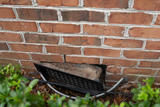
Crawl spaces are common in our area. They’re cheaper to install than full basements yet more functional than slab foundations.
Older building codes and conventional wisdom recommended crawl spaces be ventilated from the outside to control moisture buildup and cool the space. Recent studies show that venting the crawl space just does the opposite.
The History of Crawl Space Vents
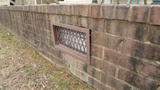
Should I vent the crawl space or not? Before we can answer this highly debated question, you need to understand why crawl spaces have vents in the first place. Before the discovery of fiberglass insulation and air conditioning, homes (especially those with crawl spaces) used to get really hot and humid during summer.
Venting was fronted to encourage air circulation in the crawl space. During the hot summer months, homeowners would open their vents to let in fresh, cooler air from outside, which circulated in the crawl space, ultimately cooling the rest of the house.
Are Crawl Space Vents Effective?
The intentions behind crawl space vents were good, but the logic behind vented crawl spaces is faulty. The air inside your crawl space is cooler than the outside air. So, if you open your vents, the warmer, more humid air outside gets into the crawl space and introduces moisture.
Various tests and studies conducted by building scientists show that ventilated crawl spaces do little to keep out moisture. Instead, they do the opposite, which is to draw in more moisture and raise humidity.
This results in various unpleasant issues such as:
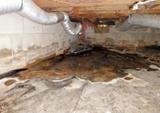
- Water Damage: When outdoor air enters your crawl space, it raises humidity levels, causing condensation on your floor joists, and ductwork. This consistent moisture buildup leads to wood rot and mold growth.
- Poor Air Quality: The air from your crawl space flows into the living areas of your home, carrying mold spores, moisture, and anything else into your home. This natural upward movement is known as the stack effect.
- High Energy Consumption: When outdoor air enters the crawl space, it increases humidity and your home’s energy costs. A study by Advanced Energy shows that closed crawl spaces (insulated spaces without vents) can bolster energy savings by up to 18%.
If vents are not created, homebuilders must mechanically circulate air between the upper conditioned area and the crawl space. We encourage you to seal the crawl space properly to nip moisture issues in the bud.
One common way of doing this is encapsulating the crawl space with a plastic vapor barrier. Done properly, this waterproofing method locks out moisture from the crawl space. Some of the products we might use to bolster waterproofing include an interior drainage system and sump pumps.
Benefits of Crawl Space Sealing
- Reduced air leakage, saving you money on energy bills
- Effectively keep moisture and humidity out while increasing the structural integrity of your home
- Odor elimination and better indoor air quality
- Fewer insects and rodents living in your home
Crawl Space Vent Sealing: Schedule a Free Inspection
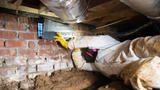
Relying on crawl space vents to cool your home is not only ineffective but can also exacerbate moisture problems.
Seek professional help to ensure your home remains energy-efficient and your crawl space stays dry.
Schedule a free inspection with Foundation Recovery Systems today.
Our experts will provide you with the best solutions to keep your crawl space and home in optimal condition.

Leah Leitow
Related Resouces
Publish Date:
Last Modified Date:
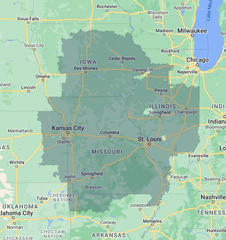
Our Locations
3349 Southgate Ct SW,
Cedar Rapids, IA 52404
(319) 220-5034
14678 E 925 North Rd, Building 5
Bloomington, IL 61705
6300 NW Beaver Dr.
Johnston, IA 50131
(515) 373-8491
7280 NW 87th Terrace, Suite C-210
Kansas City, MO 64153
(816) 774-1539
211 SE State Route 150
Lee's Summit, MO 64082
(816) 774-1539
1872 State Hwy M
Moberly, MO 65270
(660) 202-8662
3020 N. Martin Ave.
Springfield, MO 65803
(417) 612-8286
1625 Larkin Williams rd.
Fenton, MO 63026
(314) 207-9995