
Where Does Water in Your Crawl Space Come From?
Water in your crawl space can come from a variety of places. You must be able to maximize your ability to handle water in your crawl space, no matter where it’s coming from.
- Flooding Internally
Internal flooding can be one of the most damaging types of flooding because it’s something that you can’t completely protect against. Even if you ensure that your crawl space is completely clear of any openings for water, an internal flood can occur when a pipe bursts for nearly no reason. Other causes of internal flooding include damaged appliances and sewage line blockages.
Depending on the cause, internally-based flooding can be minor or incredibly severe (as can the damage it causes). Corrosion to a pipe or minor damage to your water heater, for example, may cause small amounts of standing water and a general increase in humidity, but a blocked sewage line could cause total flooding in your crawl space as well as serious damage to your home (and a terrible smell).
- Flooding Externally
External flooding is another potential problem that can cause water in your crawl space. This is much more common if you have openings, such as crawl space vents. However, some areas that have major flooding problems have flood vents to allow the pressure from the outside to vent inside. In these cases, a property will generally also have measures to deal with that flooding.
As well as the most obvious causes of flooding, e.g. a local river bursting its banks, there are more localized flooding risks to worry about. For example, if you get heavy snowfall followed by a sudden thaw and you have poor drainage on your property, you will likely have some flooding in your crawl space (especially if you have uncovered vents).
- Condensation from High Humidity
Another possible cause of water in your crawl space, albeit a smaller amount, is condensation from high humidity. If you have a very high level of humidity in your crawl space, the humidity level can go above 100%, which will lead to condensation forming in the space. If this happens water will form and trickle down cool surfaces (for example your walls or support columns).
High levels of humidity, however, are generally caused by a wider problem with dampness and water in a crawl space. This could be caused by uncovered vents letting in warm, humid air or water, cracks in the walls allowing water to seep through, or even by a bare dirt floor letting moisture seep up into your home. Addressing the underlying causes of humidity requires an understanding of just what they are!
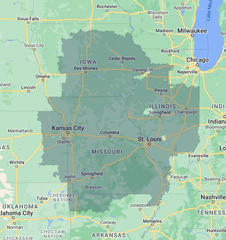
Our Locations
3349 Southgate Ct SW,
Cedar Rapids, IA 52404
(319) 220-5034
14678 E 925 North Rd, Building 5
Bloomington, IL 61705
2401 SE Creekview Dr.
Ankeny, IA 50021
(515) 373-8491
7280 NW 87th Terrace, Suite C-210
Kansas City, MO 64153
(816) 774-1539
211 SE State Route 150
Lee's Summit, MO 64082
(816) 774-1539
1872 State Hwy M
Moberly, MO 65270
(660) 202-8662
3020 N. Martin Ave.
Springfield, MO 65803
(417) 612-8286
1625 Larkin Williams rd.
Fenton, MO 63026
(314) 207-9995