
Is It Normal to Get Water in My Crawl Space?
It isn’t normal to find water in your crawl space, but that doesn’t mean you’re the only homeowner in the world who’s had to contend with some manner of crawl space damage.
How Is Water Getting into Your Crawl Space?
Water and moisture can find their way into your crawl space through a variety of means. More often than not, though, you can place the blame on hydrostatic pressure either inside or outside of your home. Hydrostatic pressure begins to build up around your crawl space when rain runoff, leaking pipes, or other forms of standing water press up against your crawl space’s supporting materials. That water can cause your supports to change size on a molecular level. The rapid changes in the size of your crawl space’s structural supports can cause those supports to start developing stress fractures. Unfortunately, those fractures tend to allow even more water into your home, lending to the damage that’s already arisen. The longer you let this kind of damage sit in your crawl space, the more likely it is that you’ll find yourself contending with signs of stress and strain throughout the rest of your space.
That said, water can also make its way into your home courtesy of pest infestations, wood rot, and foundation settling as caused by disruptive tree roots. Non-hydrostatic pressure-related damage can be a little easier to attend to around your home, but you will have to first attend to the kind of damage that your crawl space has already seen before you can invest in the installation of any home waterproofing measures.
Signs of Crawl Space Damage
To try and avoid crawl space leakage, you’ll want to set up annual crawl space inspections with the professionals in your area. If you aren’t in the habit of setting up these appointments, however, you can head down into your crawl space yourself. You’ll want to keep an eye out for the following signs of damage:
- Damp walls
- Sagging floors
- Rusting floor and rim joists
- Standing water
- Ice
- Mold
- Warping door frames
- Fogging windows
Note that unpleasant smells in your crawl space can also indicate that your structural supports may be at risk of rotting or otherwise failing. That said, it isn’t always easy to distinguish between crawl space damage and foundation damage. When in doubt, you’ll want to work with an expert in your area to try and determine what’s gone wrong in your crawl space and how best to address that potential damage.
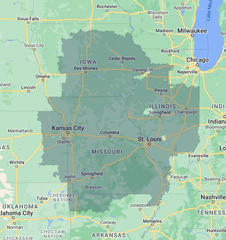
Our Locations
3349 Southgate Ct SW,
Cedar Rapids, IA 52404
(319) 220-5034
14678 E 925 North Rd, Building 5
Bloomington, IL 61705
2401 SE Creekview Dr.
Ankeny, IA 50021
(515) 373-8491
7280 NW 87th Terrace, Suite C-210
Kansas City, MO 64153
(816) 774-1539
211 SE State Route 150
Lee's Summit, MO 64082
(816) 774-1539
1872 State Hwy M
Moberly, MO 65270
(660) 202-8662
3020 N. Martin Ave.
Springfield, MO 65803
(417) 612-8286
1625 Larkin Williams rd.
Fenton, MO 63026
(314) 207-9995