

What Kind of Backup Pump Do I Need?
There are four types of backup pumps you can use: generator-powered pumps, AC-powered pumps, water-powered pumps, and battery-powered backup pumps:
- Generator-powered pumps. Traditional sump pumps, as mentioned, rely on an electrical charge to operate on a regular basis. Most backup pumps, comparatively, rely on an alternative means of power. Generator-powered backups, for example, require you to purchase a generator if you want them to operate should the power in your home drop out. This isn’t always a bad idea; many homes, after all, may already have generators in place to cope with power outages. However, if you don’t already have one of these generators available to you, the extra purchase needed to ensure your backup sump pump is operable may make this type of pump less than appealing.
- AC-powered pumps. AC backup sump pumps operate differently than traditional AC/DC pumps. Whereas DC sump pumps require a DC current and can, in turn, run for an extended period of time, they can often suffer during power outages throughout your home. Comparatively, AC backup pumps are often made up of the pump itself, a deep-cycle battery, and a battery charger. This means that these pumps will run until their batteries run out of power, making them ideal additions to a basement that floods on a regular basis.
- Water-powered pumps. If you want to be truly ironic with your backup pump, you can opt to invest in a water-powered backup pump. Should the floodwaters in your basement rise up above a set level, a water-powered pump will start to float lift. That float will open up a set valve, better allowing the water to flow into the pump. There, the energy generated from the flow of water will push the backup pump into action. In turn, the pump will direct that unwanted water into a system of pipes installed outside of your home, ensuring that it won’t remain in your basement. In turn, the backup pump will stop forcing that water out as soon as water levels in your basement drop back down below a standard level.
- Battery-powered pumps. Battery backup pumps are among the most traditional backup pumps to find use along with standard pumps. These pumps do require consistent battery replacements, as they can often run out of power after a night of hard work. However, there’ll be no need to invest in additional accessories to see these pumps do their work. Instead, battery backup sump pumps will kick into gear as soon as your traditional pump stops working. That pump will continue to run, in turn, until the electric sump pump powers back on or until you opt to turn the pump off.
Of these backups, battery backup sump pumps tend to be the most effective when it comes to protecting your home. The battery backup sump pumps installed by Foundation Recovery Systems can pump out in excess of 11,500 gallons of water per charge. It also offers long-lasting protection, an advanced alarm system with a low-battery warning, and an additional battery compartment on the system that will keep pumping water out of your basement long after the first battery pack runs out of juice.
Installing A Battery Backup Pump
Backup sump pumps are relatively easy to install when you have a professional helping you through the process. While you do have the option to install a backup sump pump on your own, it is often the most financially sound decision you can make, especially if there are other fixes you need to implement throughout the rest of your home. That said, there’s nothing wrong with knowing what contractors will do to safely install a backup sump pump in your basement.
To install a backup sump pump, either you or a contractor will need to:
- Attach the unit the wall
- Connect the appropriate cables to their terminals
- Plug the pump in or otherwise affix it to the appropriate source of power (water pumps will disregard this step)
- Test your two sump pumps’ compatibility
You will, of course, want to ensure that your sump pumps are compatible before committing to a purchase. That said, if it turns out that something’s amiss, you can work with the contractors in your area to find a better solution. You can always pair a backup sump pump with additional home waterproofing measures if you find yourself concerned about the degree of flooding your home may face. When in doubt, reach out to the contractors in your area. Together, you can walk through your basement and determine first if there’s any visible damage that needs to be repaired. Then you can decide for yourself which of the aforementioned backup pumps may best suit the sump pump you want to install and whether or not you want additional protection from waterproofing measures like an interior drain or waterproof insulation.
Local Professionals Can Install Your Backup Pump
If you’re worried about how much installing a backup sump pump may run you, you may be inclined to try and install one without professional guidance. Unfortunately, trying to install your own backup sump pump can do more harm to your home than good. If you make a mistake during your installation, you can accidentally obscure any symptoms of water damage that might otherwise suggest a need for additional home repairs. You may also end up spending more money on materials and single-use tools trying to install a pump on your own.
Professionals, on the other hand, can walk you through the backup installation process in little to no time at all. Their years of experience can keep this process quick and painless, meaning that you’ll be able to get back to regular day-to-day life in your home without having to worry about the conditions in your basement.
Want to reach out to the professionals in your area? Get in touch with area experts to schedule a home inspection and to look over a free quote determining what repairs or additional waterproofing installations may best suit your space.
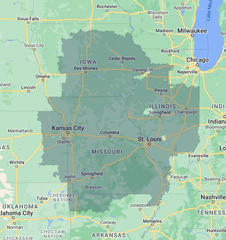
Our Locations
3349 Southgate Ct SW,
Cedar Rapids, IA 52404
(319) 220-5034
14678 E 925 North Rd, Building 5
Bloomington, IL 61705
2401 SE Creekview Dr.
Ankeny, IA 50021
(515) 373-8491
7280 NW 87th Terrace, Suite C-210
Kansas City, MO 64153
(816) 774-1539
211 SE State Route 150
Lee's Summit, MO 64082
(816) 774-1539
1872 State Hwy M
Moberly, MO 65270
(660) 202-8662
3020 N. Martin Ave.
Springfield, MO 65803
(417) 612-8286
1625 Larkin Williams rd.
Fenton, MO 63026
(314) 207-9995