

Why Is a Dry Crawl Space Important?
Your crawl space doesn’t take up a significant percentage of your home’s square footage. Why is it so important to keep this space as water-free as possible?
Crawl Space Water Damage and Your Home’s Market Value
Water that makes its way into your crawl space, be it in the form of gaseous moisture or flooding, has an immediate and detrimental impact on the structural integrity of your home’s supports. Wooden and metal supports alike can absorb this moisture and begin to show signs of wear and tear. Before long, you may find yourself contending with sagging floors, bowing walls, and a foundation that’s fallen out of alignment. Not only is this unpleasant to live through—despite the slow pace at which this damage appears—but it can also spell disaster for the overall market value of your home.
The realtors you work with to list your home, should you eventually want to sell it, will have to note in your listing that your home has fallen victim to crawl space damage. If you have not made a point to repair this damage, you risk losing up to 30 percent of your home’s market value. You can instead take the time and money to repair a damaged crawl space and install a waterproofing measure like a crawl space dehumidifier if you want to better retain your home’s value. Put another way, that upfront cost may end up saving you a significant sum of money in the long run.
Water Damage and Your Family’s Health
The impact crawl space water damage has on your home’s property value is one thing. The impact it has on your family’s health while you’re living in the space is another. Your home’s unwanted moisture can aggravate some residents’ pre-existing conditions, eliciting allergic reactions or respiratory issues. Even residents without pre-existing conditions can start to develop allergies or related conditions if exposed to high levels of humidity for an extended period of time.
Increased humidity levels can also make it easier for mold to take root in your home. Molds of all types tend to exacerbate any health conditions that you might already be contending with. That said, you’ll first start to notice problems with your respiratory system if a toxic mold has taken root in your home. Some of the most common early signs you’ll want to look out for include:
- Congestion
- Coughing
- Sore throat
- Sneezing
- Skin irritation
- Headaches
The longer you let mold live in your home, the more severe its impact on your family’s health can become. Residents who’ve been exposed to toxic molds for more than a month may have to contend with health problems ranging from a persistent cough to long-term lung damage.
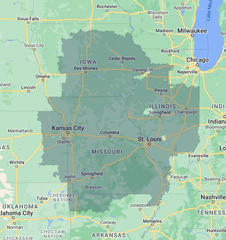
Our Locations
3349 Southgate Ct SW,
Cedar Rapids, IA 52404
(319) 220-5034
14678 E 925 North Rd, Building 5
Bloomington, IL 61705
2401 SE Creekview Dr.
Ankeny, IA 50021
(515) 373-8491
7280 NW 87th Terrace, Suite C-210
Kansas City, MO 64153
(816) 774-1539
211 SE State Route 150
Lee's Summit, MO 64082
(816) 774-1539
1872 State Hwy M
Moberly, MO 65270
(660) 202-8662
3020 N. Martin Ave.
Springfield, MO 65803
(417) 612-8286
1625 Larkin Williams rd.
Fenton, MO 63026
(314) 207-9995