
Is the WallSeal™ Installation Process Difficult?
It is not difficult to install a WallSeal™ vapor barrier in your basement. Most often, the process involves the following steps:
Step 1: Repairing Any Damage Already Done to Your Home
You never want to invest in a home waterproofing measure if you haven’t already tended to damage in your basement. Installing home waterproofing measures without first repairing your home can cost you significantly more money than those initial repairs might. After all, if you let moisture continue to make its way into your home, you run the risk of damaging your waterproofing measures— WallSeal™ included—far sooner than you might otherwise.
Step 2: Improving Your Home’s Drainage
Once you’ve repaired any damage around your home, you can discuss what means you might improve the drainage around your home. A WallSeal™ system helps keep water out of your basement, but it does not eliminate the hydrostatic pressure that your home may have to contend with. As such, you may want to work with area professionals to either regrade your landscaping or otherwise install waterproofing means that may drive water away from the perimeter of your home. Some of the most effective waterproofing measures of this sort that you may have available to you can include interior drainage systems and sump pumps.
Step 3: Installing Your WallSeal™ System
With your damage attended to and your home’s drainage improved, you can finally install your WallSeal™ system. The professionals in your area will first measure, then cut out the WallSeal™ material. With the square footage established, they will then go about overlapping material seams to provide you with comprehensive, gap-less vapor barrier coverage.
Step 4: Covering Foundation Walls and Rim Joists
While protecting your walls from unanticipated water damage, area professionals will also work to ensure that any protective measures you already have in place remain as dry as possible. As such, they can pair waterproof insulation or drainage mats with your WallSeal™ system. With these accessories in place, you can cushion your foundation walls and your rim joists to prevent the temperature changes that might otherwise cause them to expand, crack, and otherwise rot.
Step 5: Capping Your Installation
Last but not least, you can discuss whether or not your WallSeal™ may require galvanized plastic to keep water from spreading out from behind the seal and into the rest of your home. By capping off your WallSeal™ system, you ensure that not only water stays out of your basement but that any insects interested in making their way indoors have a much more difficult time doing so.
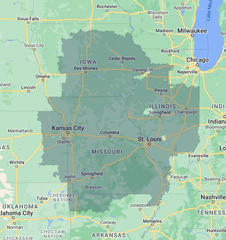
Our Locations
3349 Southgate Ct SW,
Cedar Rapids, IA 52404
(319) 220-5034
14678 E 925 North Rd, Building 5
Bloomington, IL 61705
2401 SE Creekview Dr.
Ankeny, IA 50021
(515) 373-8491
7280 NW 87th Terrace, Suite C-210
Kansas City, MO 64153
(816) 774-1539
211 SE State Route 150
Lee's Summit, MO 64082
(816) 774-1539
1872 State Hwy M
Moberly, MO 65270
(660) 202-8662
3020 N. Martin Ave.
Springfield, MO 65803
(417) 612-8286
1625 Larkin Williams rd.
Fenton, MO 63026
(314) 207-9995